Mosquito & Tick Borne
Diseases

658 Cases of West Nile in 2011 (US)

Latest West Nile Headlines

West Nile
Virus

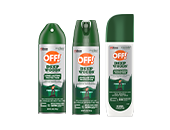
The West Nile virus (a flavivirus) is an infection transmitted by mosquitoes. Researchers believe West Nile virus is spread when a mosquito bites an infected bird and then bites a person. Avoiding exposure to mosquitoes is the best way to combat West Nile virus. You can reduce your risk of being bitten by mosquitoes by using repellents such as OFF! Deep Woods® Insect Repellents and wearing long sleeves and pants where mosquitoes are prevalent.


West Nile Symptoms

If you become infected, you may experience no symptoms or mild flu-like symptoms, such as fever and mild headache. However, some infected people can develop more severe conditions like encephalitis or meningitis.

This is provided for your information only and is not intended to diagnose or treat any medical condition. Should you have any symptoms or concerns, please contact your doctor.

West Nile Symptoms

Source: CDC.gov (http://www.cdc.gov/ncidod/dvbid/westnile/clinicians/clindesc.htm)
Disclaimer: Content does not indicate any form of endorsement or approval of the brand or its products by the CDC.


West Nile Activity

In 2011, at least one case of West Nile virus was found in 42 states and the District of Columbia. The majority of cases occurred in Arizona, California, Nevada, Nebraska, Michigan, Mississippi, and Tennessee.

West Nile Activity

Source: Diseasemaps.USGS.gov (diseasemaps.usgs.gov/wnv_us_human.html)
Disclaimer: Content does not indicate any form of endorsement or approval of the brand or its products by the USGS.

Source: CDC.gov (www.cdc.gov/ncidod/dvbid/westnile/Mapsincidence/surv&control11IncidbyState.htm)
Disclaimer: Content does not indicate any form of endorsement or approval of the brand or its products by the CDC.


West Nile Cases

West Nile Cases

Source: CDC.gov (www.cdc.gov/ncidod/dvbid/westnile/qa/cases.htm)
Disclaimer: Content does not indicate any form of endorsement or approval of the brand or its products by the CDC.

Source: Diseasemaps.USGS.gov (diseasemaps.usgs.gov/wnv_us_human.html)
Disclaimer: Content does not indicate any form of endorsement or approval of the brand or its products by the USGS.

Mosquitoes carry the highest amounts of virus in the early fall, which is why the rate of the disease increases in late August to early September. The risk of disease decreases as the weather becomes colder and mosquitoes die off.


Learn More About West Nile Virus

Mayo Clinic—West Nile Definition

www.mayoclinic.com/health/west-nile-virus/DS00438

USGS Disease Maps

http://diseasemaps.usgs.gov/wnv_us_human.html

US Centers for Disease Control—West Nile Fact Sheet

www.cdc.gov/ncidod/dvbid/westnile/wnv_factsheet.htm

Disclaimer: Provided for information purposes only. Does not indicate any form of endorsement or approval of the brand or its products by the aforementioned organizations.